
Writing as Spiritual expression.
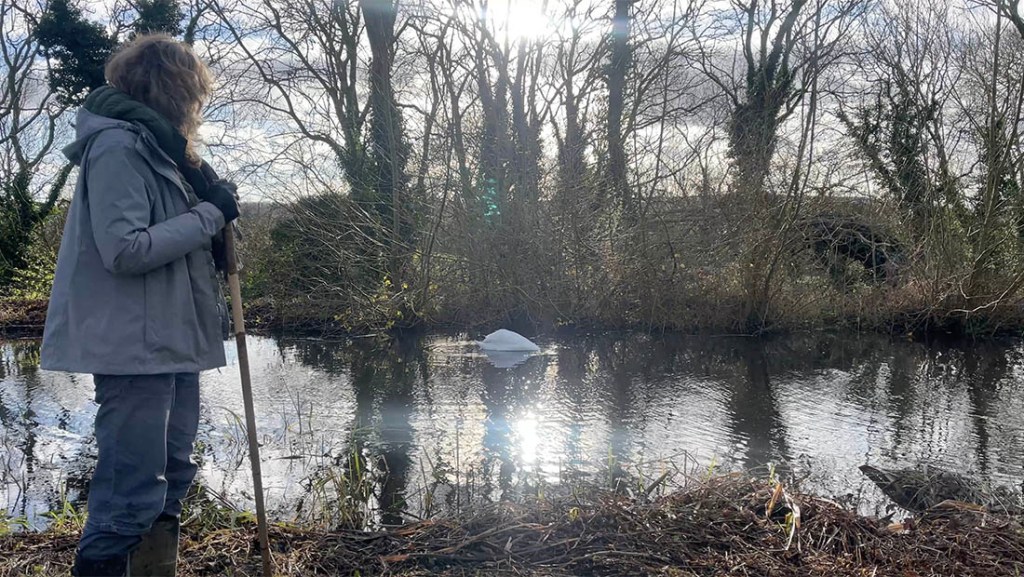
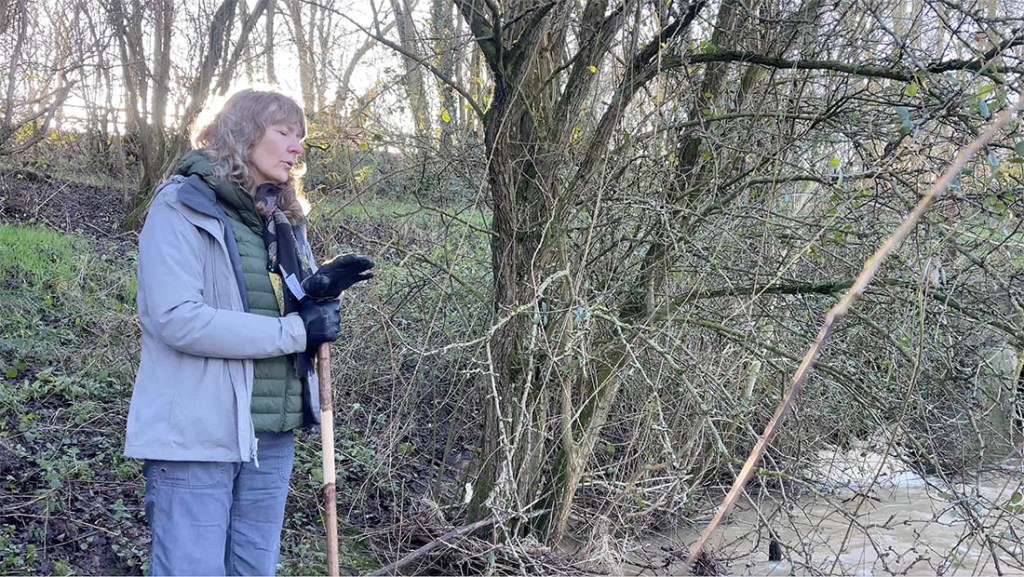
On a winter’s walk, Andy Harper interviews Janice Dent on the channelling of her new book, ‘Heron and Asaph’.
Interviewer: I was just curious to know how you got called to write a book?
Janice: I didn’t get called to write a book! The book just came of its own volition. I’d been given some parts of it—maybe four or five sections—during my own healing journey. I initially thought it was a past life experience. Then one day I sat down, and all the spaces were filled in, and it became a story.
Interviewer: That’s amazing. What was the writing process like for you?
Janice: The writing process was a healing process, first and foremost. Where I would normally sit on my chair and do some self-healing, bring some Light in in the morning—each chapter was like that. I would sit down in the morning, and a light would come in, and I would sink off into another place, into that life again, and heal various aspects of that life while living it.
I’m getting the words, seeing the pictures, feeling the feelings. It’s like being in a movie. I’m writing with my eyes closed, with a pen and paper, scrawling all over the place. By the end, I’m pretty knackered because it’s actually a healing experience. Then I spent the afternoon writing each chapter on my laptop, piecing it all together, trying to make it make sense.
Interviewer: When you were writing, did it feel like you were concentrating on the words, or was the story just kind of coming through you?
Janice: The story was just coming through. I was just experiencing it. I was experiencing the characters, Heron, all the various characters, just sort of moving around inside them, seeing it from all different angles. And then I just wrote what I experienced. I kept getting, “Say what you see, say what you see.” So I just kept switching off my thinking head and just writing down what I saw on my inner screen.
Interviewer: Did it teach you anything in the process?
Janice: It taught me as I went on—I got better at the process. Sometimes the narrative or the imagery would get stuck, and so I learned, well, just like with anything, with meditation, if ever you get stuck, you’ve just got to let go. It was just a continuous process of letting go.
I found my thinking brain would come in and say, “Wow, that’s really exciting. That’s really interesting, that’s really clever.” Then that would just halt things because my thinking brain was coming in the way. So I would just have to keep dropping that. I kind of learned about the process.
And oh, I mean, in terms of the wisdom and the information and just the power of the truth in the story—it was a huge moving and healing experience. It wasn’t just like going down to the garden shed, plotting out something, writing a book with your head. My head came in very late in the process.
Interviewer: In “Heron and Asaph,” it talks about it being a story for our time. Why do you think it’s a particularly important story to be told at this point in 2024?
Janice: I think it’s time because the book is all about the effect that living in a patriarchal world culture has on both men and women. That’s a story from 2000 years ago, and it hasn’t changed much. The way we treat the feminine as a society is changing—feminine energy is rising, and we’ve got to learn to integrate and balance the masculine and feminine.
There’s no greater example in 2024 of the way we treat the feminine and the way we treat the ultimate sacred feminine, which is Mother Earth. Top of the agenda is this climate crisis that’s manmade. We’re going to have to start paying attention to the feminine in all its forms.
Interviewer: How can we pay more attention to the feminine in 2024?
Janice: We’ve got to listen for it, within and without. Every human being—male, female, whatever gender or no gender—just by virtue of being human, we all have masculine and feminine aspects.
The masculine is about the outer world, goal-focused, achieving. The feminine side is about the inner world, empathy, compassion, feelings. In most people, they’re not integrated, not balanced. As a society, we favour the masculine, this industrial goal-chasing thing. And we’ve forgotten the flexibility, the feminine.
But it’s within all of us. It’s not like we’ve got to find it anywhere. We just have to remember it, because the current imbalance is not serving men, it’s not serving women. It’s certainly not serving the planet.
Interviewer: Would you say, as an author, creator, healer, this is going to be a recurring theme—seeing masculine and feminine energies?
Janice: Well, on my spiritual path, it’s just been a complete surprise every time. I would never have known I’d be writing the book. I’d never have known I’d be walking along this canal path talking about it. I honestly have no idea. It’s just an unfolding journey.
But at the moment, this issue of balancing masculine and feminine just feels very relevant for me. That’s all I can do, just go along with that and see where it takes me. You’re never going to be shown where until you do the hard yards, and then the next page will turn for you.
Interviewer: What do the hard yards mean? For somebody watching this who is in turmoil or in a difficult place, what are the hard yards, and what advice could you offer?
Janice: I think the hard yards are the times spent in quietude, in meditation, where there’s no escaping the parts of yourself that you find difficult. To transform those parts, to heal those wounds, it takes dedication.
There are lots of tools out there, lots of resources. But at the end of the day, you have to get off your backside and commit yourself to your own personal growth, your own journey. Everybody’s will looks different. There are lots of common themes along that journey, and there are lots of teachers out there who can help people with that.
Make a commitment, have the self-discipline to sit on that chair. However despairing you might be that day, that’s the day that the meditation will give you a breakthrough, in my experience. And don’t be frightened of it. Don’t be frightened of the fear. To transform it you have to love it, hold it, love it into transformation.
Gone are the days of forcing your way through things. This is the joy of the feminine—the masculine would force and push through a problem. The feminine will hold it and love it. And it’s in that field of holding and compassion, in that feminine field, in my experience, that the healing happens, the transformations take place.
Interviewer: Through acceptance, not through trying to overpower it?
Janice: Yes, its surrender, it’s all letting go. In fact I mentioned it earlier with the movie script coming in and getting tied up in that, its all about letting go. If ever you get stuck, think: What have I got to let go? What am I attached to here? What am I holding onto here? And then have the courage to just surrender into your own feminine field of unconditional love. And I can only speak from my experience, but that IS my experience.
Interviewer: “Heron and Asaph” talks about trauma and redemption. What insight do you hope your readers will take away from reading your new book?
Janice: I just hope that they are touched by the story of Heron and Asaph. The archetypal power dynamics that they find themselves in—I think most people will be able to relate to that in some way or another. There are eternal, universal truths throughout that I would hope people would identify with.
And some of it probably isn’t a very easy or very pleasant read. I think that’s part of the intention, to not be too comfortable because life isn’t comfortable.
Interviewer: Is that a theme in itself? The idea of not getting too comfortable because life isn’t designed to be about being comfortable?
Janice: I think so. I think that’s very much part of the design of the book—it keeps people on edge. It stops them from sinking into a comfortable narrative that’s warm and fluffy. This is the real world. Bad stuff happens. And we’ve got a choice as to whether we make decisions that lead to difficult outcomes, limiting outcomes, fearful outcomes. Or whether we choose to come from our graces and from our higher aspects. And choose and see what happens.
Interviewer: Are there any tools included in the book to help people navigate some of these challenges?
Janice: The way the book is brought back to 2024 and the attention on Mother Earth, is drawing the parallel of the power of the feminine to heal, and that’s why in the back of the book, I’ve put a link to a guided meditation which takes people into the heart of Mother Earth. We are all connected to her, we are all part of her. So that allows people to connect to their own wisdom when they’re held in the safety of mother’s heart, mother’s arms. Because without safety, you can’t heal.
It allows their own wisdom to come forward, their own higher guidance to come forward and to show them something that they might need in their life. Because ultimately, the best guide is ourselves, our own higher selves. I really believe that we know what we need to do. We know it. But until we feel safe, we can’t access our own wisdom.
Interviewer: Would you say that at the end of the day, the universal truth is love?
Janice: The universal truth is love. Love is all there is. And we have to make a conscious choice to align ourselves with love—to love ourselves. And then we just know that we’re part of something bigger—the one love, the big love that runs through us all. It’s the universal consciousness, the love consciousness. You can call it God consciousness. It just underpins everything. And the more we can align ourselves with that, the better it will all be, in my view.
Interviewer: There’s so much tension in the world right now—political tension, economic tension. People are grasping and blaming and complaining. What, ultimately, is the solution, and how do we survive without destroying the planet?
Janice: It’s the individuals. Our focus goes to these people at the top, the people who are starting the wars, the big political figures. They take our attention, and we put our attention on them, and we forget the bottom layer, which is all of us. We think of ourselves as if we have no power. But there’s actually a lot of us—we do have a lot of power.
The power is within, in keeping raising our own awareness, our own consciousness, our own vibration. I don’t know exactly how, but I just know that’s the way forward.
Interviewer: Thank you, Janice.
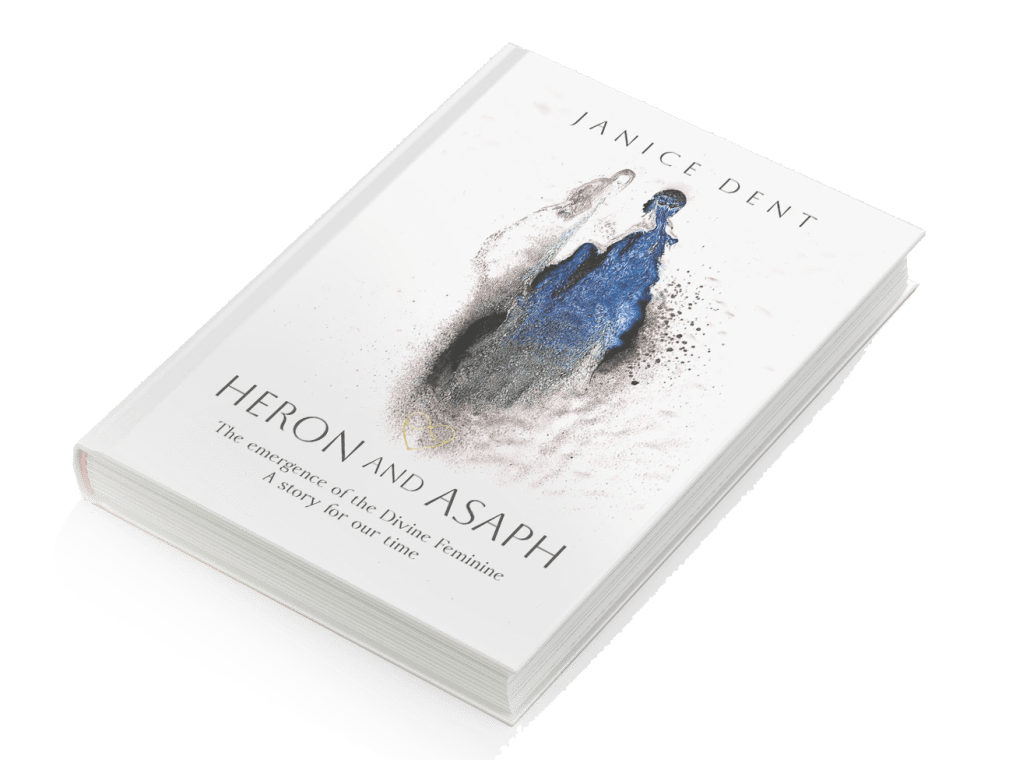
Janice Dent’s new book “Heron and Asaph” explores themes of trauma, healing, and the balance of masculine and feminine energies through a powerful narrative set two thousand years ago, but deeply relevant to our modern world.
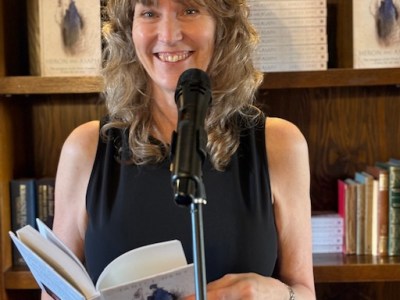
Walking the walk : book launch
From time to time on a spiritual healing journey, some old limiting pattern of behaviour is untangled just enough so that there is the first possibility, the first scary glimmer, of perhaps being able to ‘do something differently’. To not do the same safe habitual thing which keeps you, in some way, smaller than the…

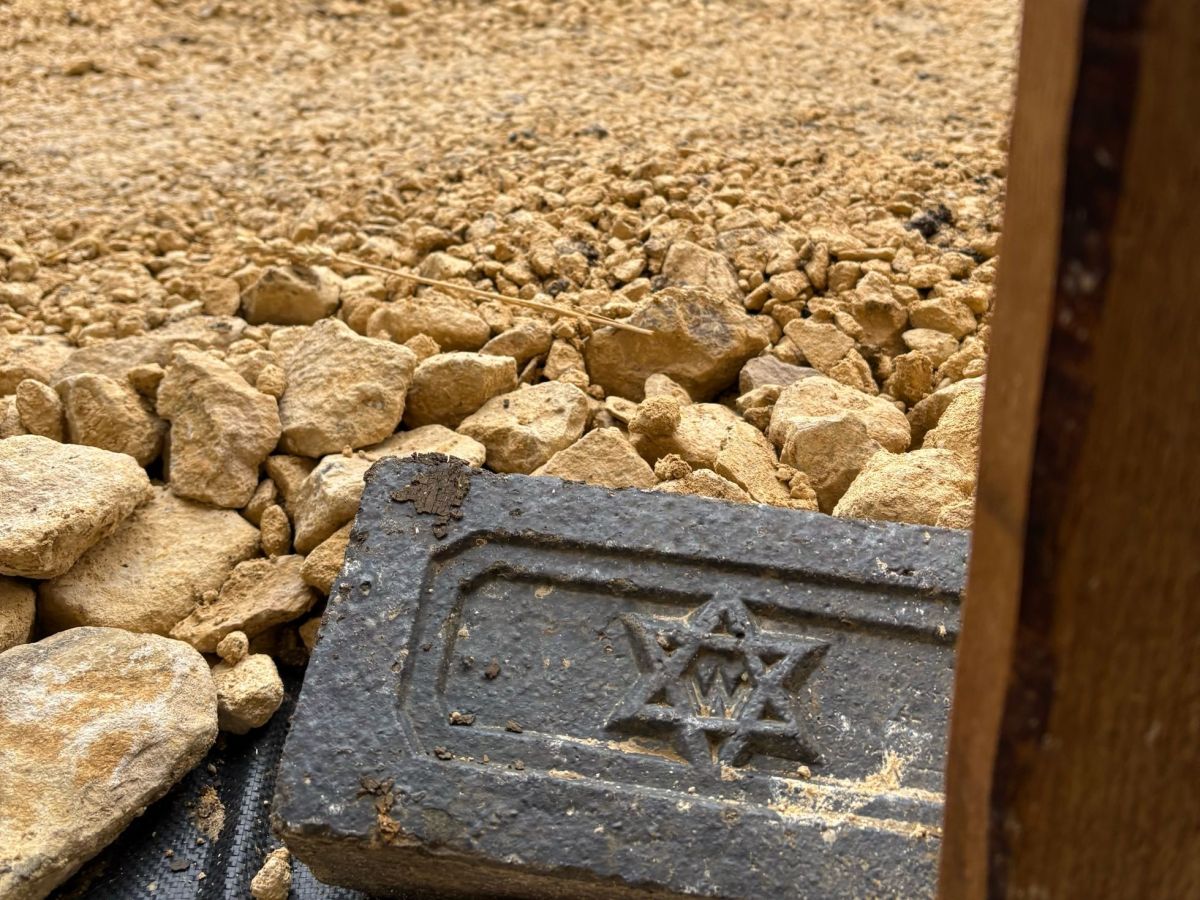
Triangles and the Star of David symbol
When I began grounding Light through my body into the Earth, I was guided to find astaff or a long stick, as though I needed some kind of extra connection into the Earth.I duly met a local man who hand crafted such things from hazel wood. We met up inan antique shop and he untied…
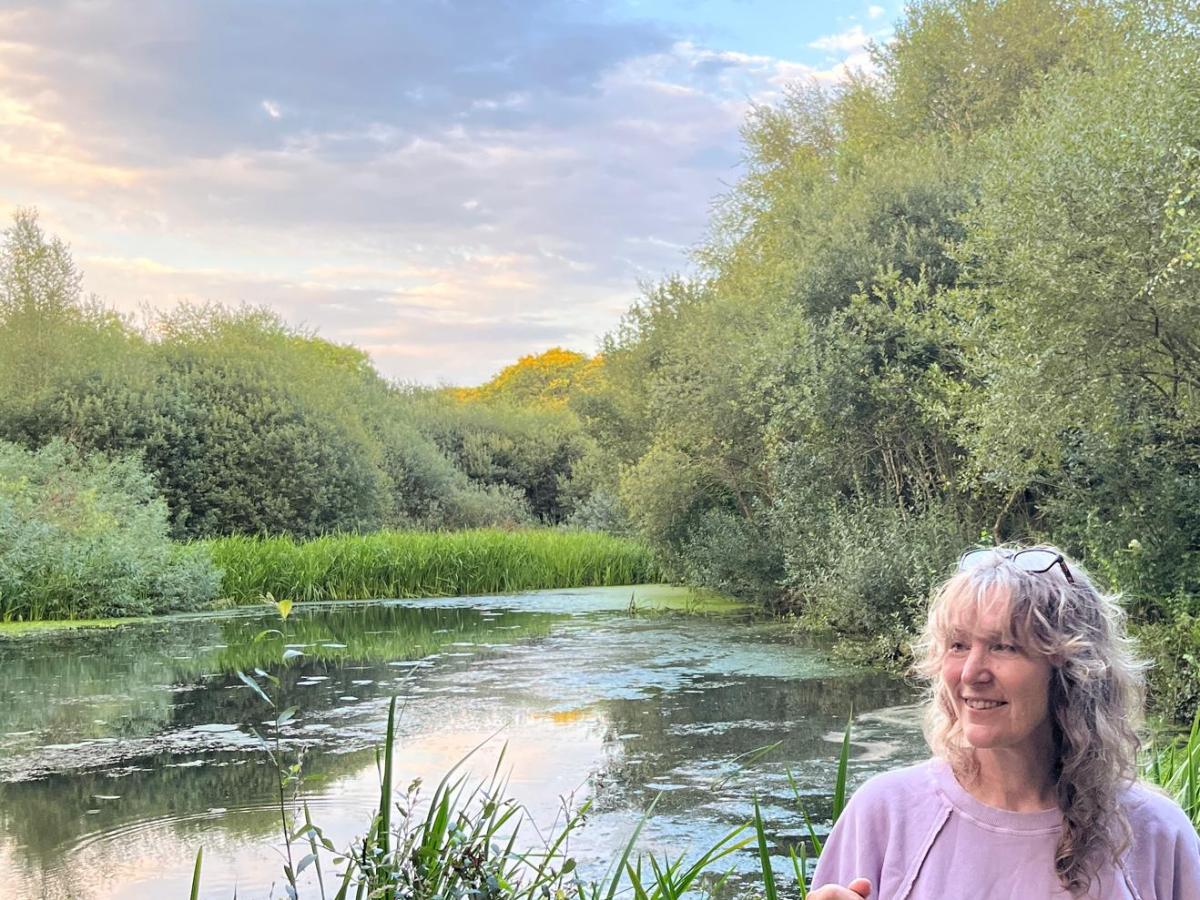
A Patch of heaven
Here’s a great little song I want to share for you to enjoy. It was written and performed by my old friend Mick Stoves. I recommend using headphones for the best listening experience. Staying at the home of our friend Tony, in the beautiful Cornish countryside last summer, Mick was inspired to write it after…

Leave a Reply